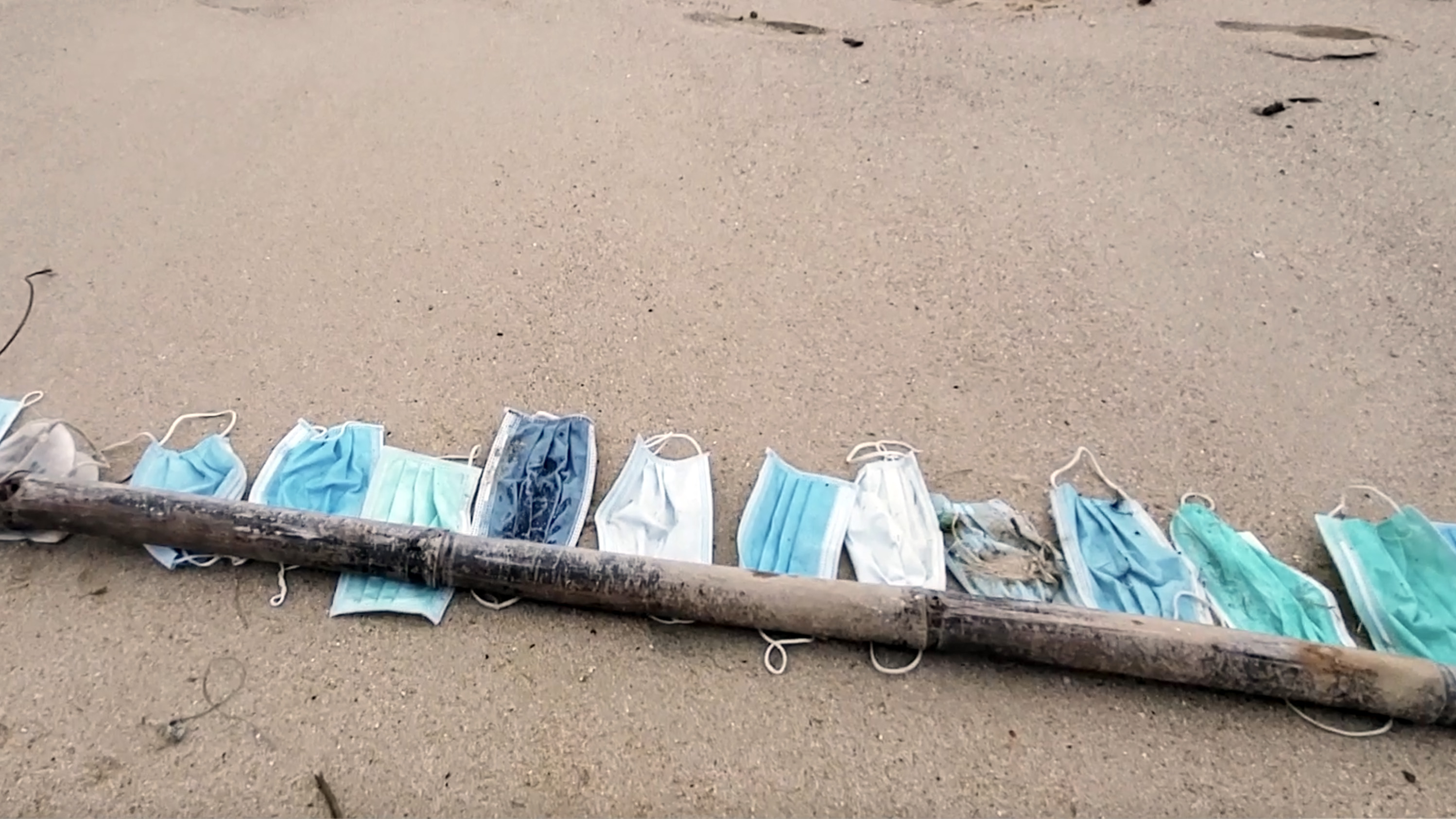
Since the Covid-19 pandemic began so much has changed. Our daily lives are far from “normal” with having to isolate, work from home, and wear masks in public. Many of these lifestyle changes while necessary, do have negative environmental consequences, such as the increased use of disposable masks, rubber gloves, hand santizer sold in plastic bottles and other plastic items that we might normally be able to cut back on using. An example of this is that for the first time in two years I have to use plastic produce and grocery bags at the store. Our local store had not been allowing reusable bags and I want to continue following those guidelines until the end of the pandemic. These protective measures are helping to flatten the curve and keep us healthy during the pandemic, but our increased use of disposable plastic products is causing an increase in plastic waste and litter.
So what is the problem with this?
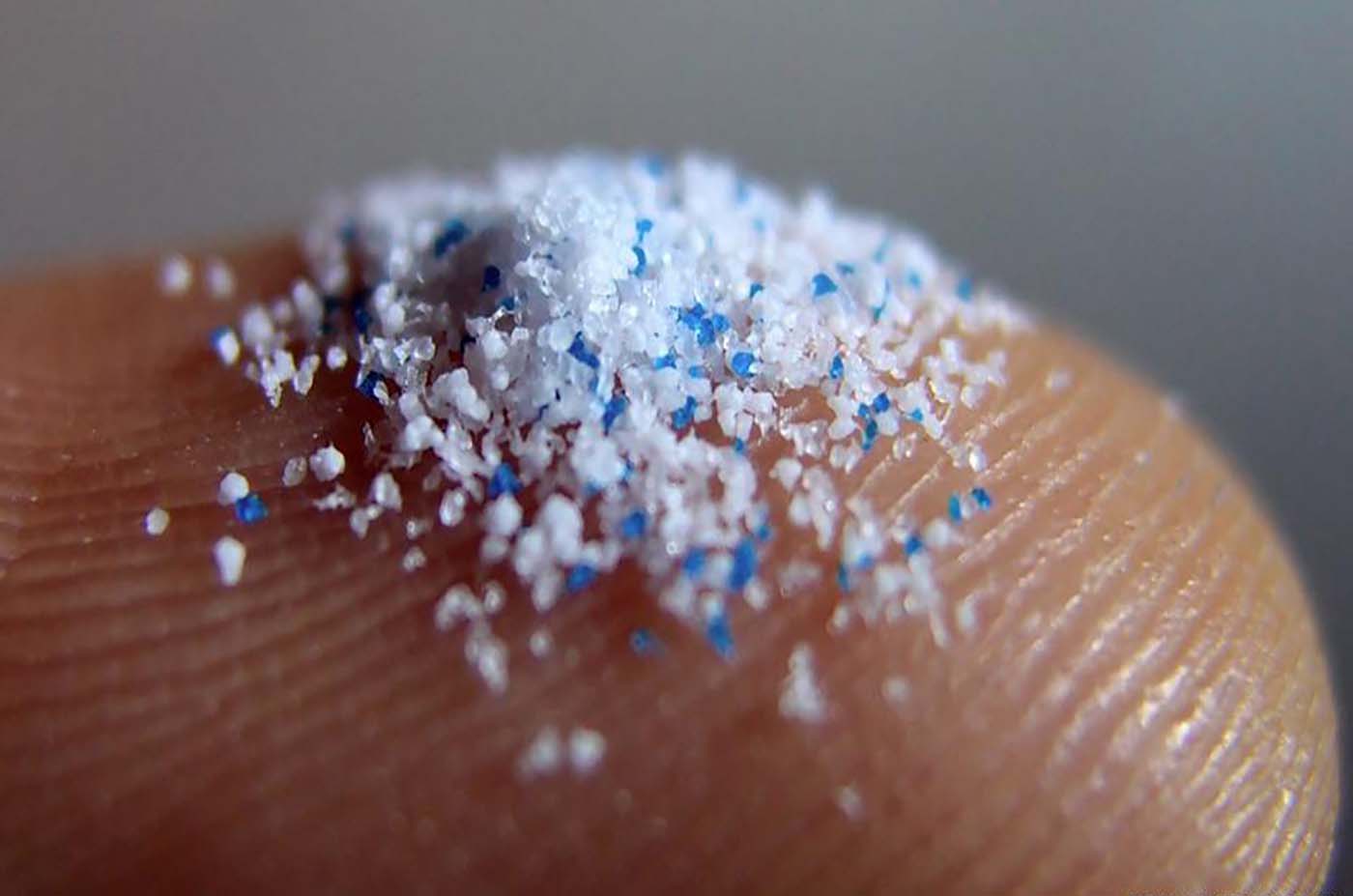
Plastic does not fully degrade. Large pieces of plastic can exist in the environment for decades, and even centuries. Animals can choke on or ingest these plastic items. This can cause health issues such as malnourishment, problems digesting food, or even death. Plastic has a long lifespan and rather than degrading, it simply breaks down into little pieces called microplastics (any plastic less than 5 millimeters in length). Microplastics may be tiny, but they pose a huge threat to marine life and even our own health. They are so small they can easily pass through water filtration systems into our waterways and be ingested by aquatic animals of all sizes. Humans can also ingest microplastics through the food we eat and they can potentially pose a serious healthy risk because of the toxic chemicals present in plastic. More research needs to be done to determine what effects ingesting microplastic can have on marine life and human health, but PCB’s (polychlorinated bi-phenyls) are a type of chemical found in many plastics and have been linked to cancer, weakened immune systems, and reproductive problems.
Because our dependence on disposable plastics has increased since the pandemic began, more plastic is being dumped into our rivers and oceans and not being disposed of properly. Many countries have already recorded an increase in plastic litter on shorelines and in the water, specifically medical masks and gloves.
What can I do?
Wear your masks whether they are reusable or desposable. Wash your hands. Continue following CDC guidelines. Doing your part to flatten the curve and protect those around you is the most important thing you can do right now to slow down the infection rate. But then dispose of your mask properly and make sure others do the same to reduce the amount of plastic litter that gets into our environment.
Find other ways to cut down on plastic use:
- Use reusable containers instead of single use plastic bags
- Use reusable silverware when eating takeout and refuse plastic utensils
- Use reusable water bottles and coffee mugs (this also saves money!)
- Once it is safe, use cloth grocery and produce bags
- Cook at home—fast food restaurants use a ton of plastic
- A lot of everyday items like ballpoint pens and mechanical pencils have non-plastic alternatives
- When possible buy fresh fruits and vegetables over frozen, packaged, and bottled alternatives
- Limit how many items you purchase online because they often include excess plastic packaging
- When shopping in stores ask the cashier to not use a plastic bag if you are capable of carrying items without it
- Recycle recycle recycle! Although this is not a permanent solution, it can help reduce plastic waste and production.
- Sustainably shop for clothes. Many materials such as polyester and nylon contain plastic and the fast fashion industry is one of the leading contributors to climate change.
- Donate old items such as clothing you do not need, and also shop in second hand stores.
- Check your cleaning and cosmetic products to make sure they do not contain mircobeads (manufactured plastic beads found in exfoliating products)
And in case I didn’t emphasize it enough, WEAR YOUR MASK!
Further reading:
 Learning How to Science